How to Catch Spawning Bass
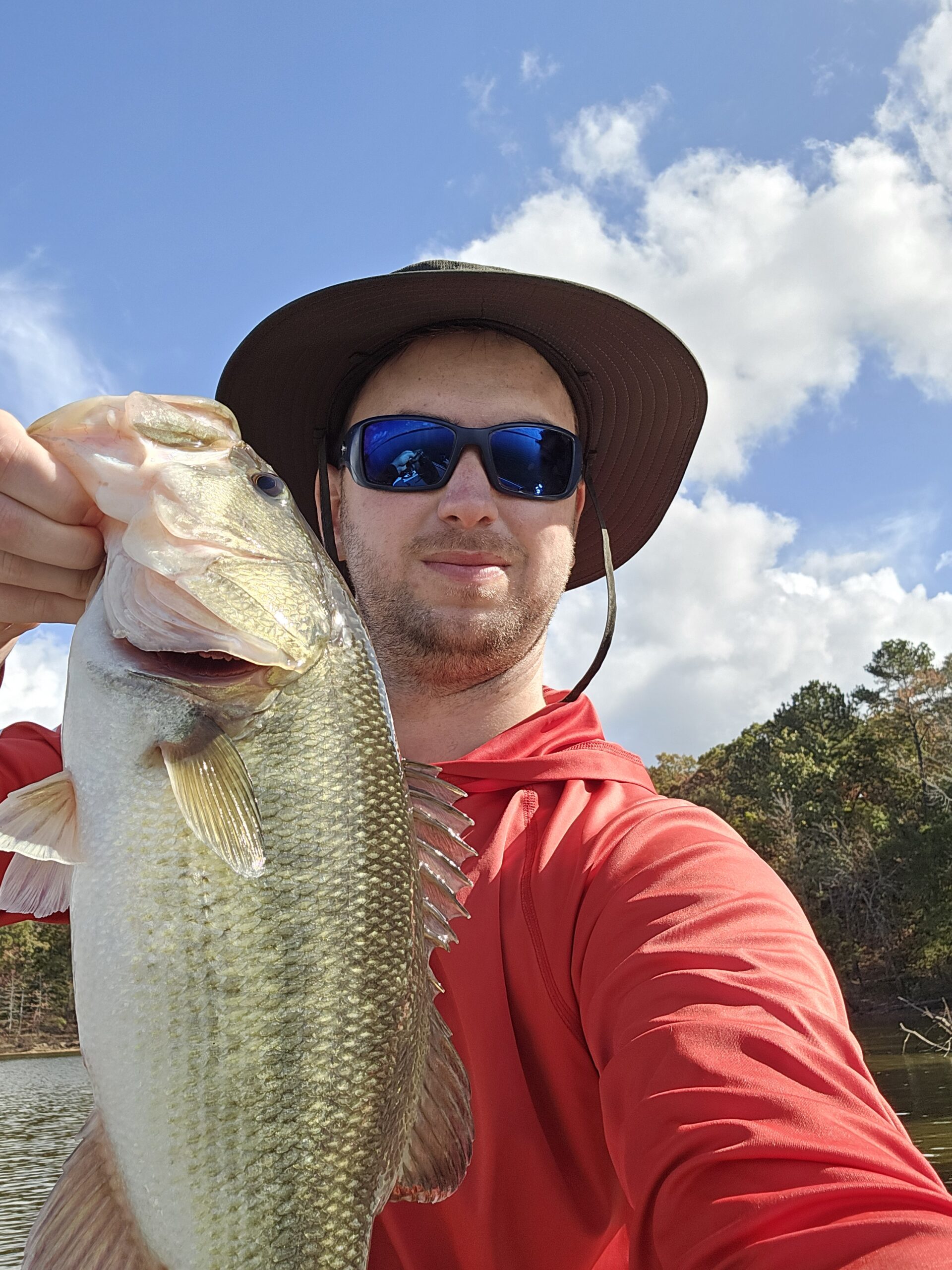
Spring is a wonderful time for bass fishing, or a terrible time, depending on how in tune you are with the fish movements. Fish behavior is constantly changing in the spring, and it all centers around the spawn, which splits the middle of a three-stage spring calendar, the other two stages appropriately being named prespawn and postspawn. Today, we’re looking at how to find and catch spawning bass. If you suspect you’ve got fish in the spawning process, but you’re not catching them, you’ve come to the right place.
When to Find Spawning Bass
The first step to finding spawning fish is to understand if they are even there to be found. The bass’ urge to spawn is triggered by the lengthening photoperiod (length of daylight) that coincides with early spring, but the actual spawning process is dependent on the weather patterns. Put simpler, the bass feel the urge about the same time every year, but they won’t actually spawn until they’re comfortable doing so.
The most notable factor is the water temperature. You’ll hear a lot of talk about what temperature bass spawn at, but I hate this discussion because it’s reductive. Water temperature can fluctuate five to six degrees during the day depending on sunlight and overnight lows. Bass want consistency in temperature to feel comfortable locking onto a bed.
When the water temperature is breaking 60 every day, that’s typically when I start to see fish lock onto beds in volume. Consistency is key, as cold fronts can drive them away quickly. The fish also want consistency in water level. Constantly fluctuating water levels will prevent fish from committing to the spawn. In my area of the country, it’s most commonly the first half of April that the water temperature conditions get right.
Where to Find Spawning Bass
Bass look to spawn in protected water. Most often these are pockets and backwaters that provide more stagnancy to water. Areas exposed to wind aren’t as conducive, and heavy wind into an area will prevent fish from making beds. I’ve seen an entire flip overnight because of wind direction. Many years ago a buddy and I caught several fish in a south-facing pocket that was protected from the wind. We left a handful of spawners behind that we couldn’t make bit. I came back the next day hoping to see some of those fish more locked on to their beds, but a consistent wind was blowing into the pocket and every single one was gone.
You’re looking for areas protected from that wind. North-facing pockets will warm up the fastest and have the most consistent temperature because they aren’t susceptible to the northern winds. Northern banks in east and south facing pockets are also protected from the coldest winds. There is something to be said for these places, but as Spring rolls on and big waves of fish come to the bank, I have never found that it matters. One of my personal favorite pockets to find beds on Falls Lake in North Carolina lies due south.
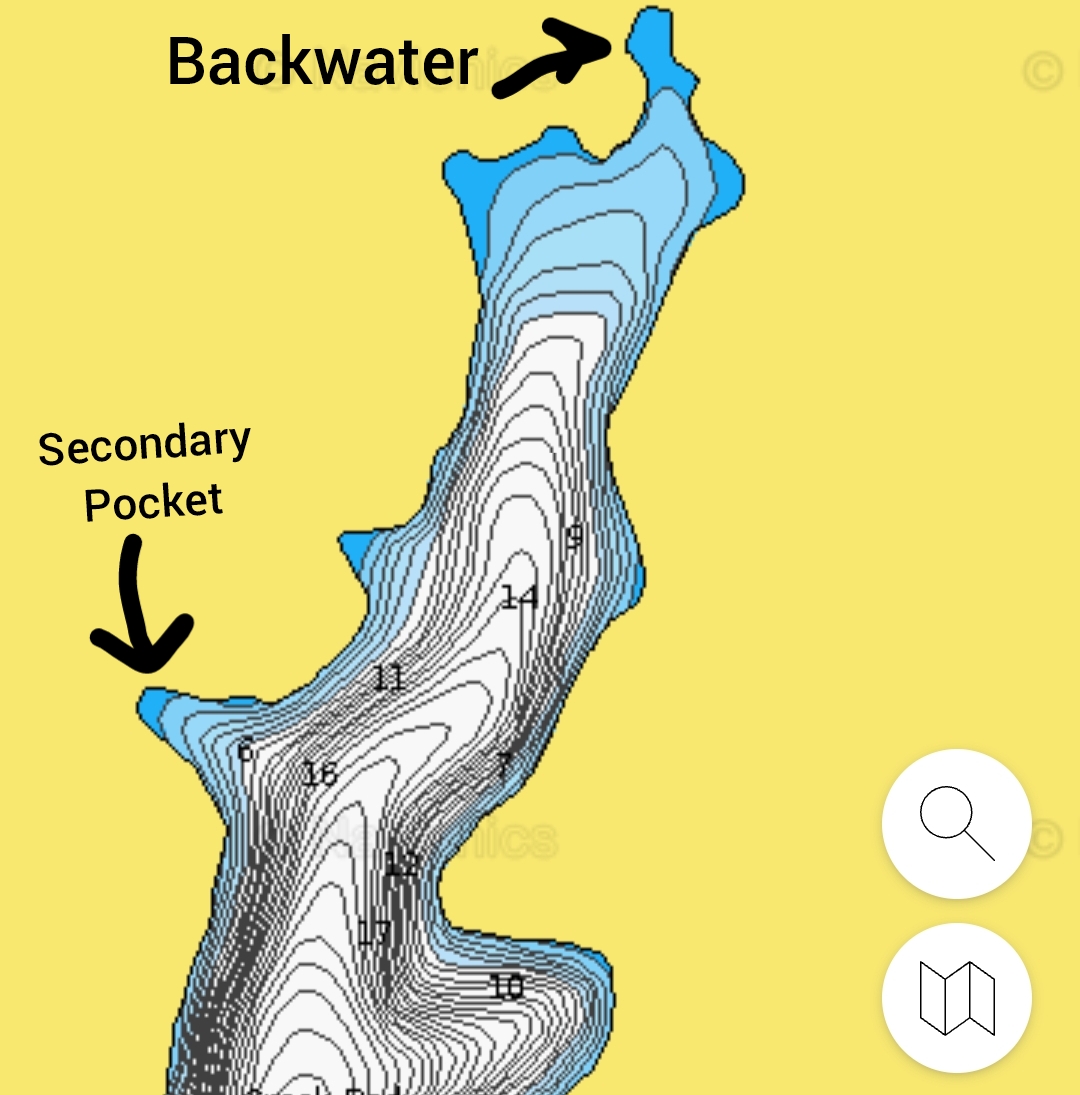
The best pockets often have second pockets and small backwaters in them. Secondary areas that provide additional protection within pockets and high-volume spawning areas. Check in these areas always. Bass will often make their beds near some piece of cover. It’s not always true, but a stump, a laydown, a small patch of reeds, or some form of cover makes the fish feel more protected. They gravitate to that stuff.
Beds appear as fanned out indents in the bottom, often between a foot and two feet in diameter. Usually you can spot them as a light spot on the bottom. It’s even easier if there is a fish on it. Bass will fan these areas out and lock tighter to them as the spawning process progresses. Early, they can be difficult to catch because they’re more willing to leave, but as they get closer to actually doing the deed, they’re more inclined to stay in the immediate vicinity of the bed.
Males fan the beds while the large, egg-laden females stage around the area and eventually join a male. If you’re seeing lots of smaller, single fish on beds, venture just a little bit deeper and you may find the big ones. I once saw three beds in a row, all with small males on them, become occupied by giant five-pound-plus females at exactly the same time. It was one of the wildest things I’ve seen while fishing. These big ones are around waiting to pick a mate.
How to Catch Spawning Bass
Catching a bedding fish is a matter of patience and efficient decision making. Some bedding fish can be caught in two minutes, some may take forty minutes, and some may not bite at all. Deciding how much time a fish is worth, especially if you’re a tournament angler, is important to actually having a good day.
Spawning bass don’t bite because they’re hungry. They bite because they view the bait as a pest or a threat. If you were trying to take a nap (we’ll keep this PG), and there was a random foreign item laying in the middle of your bed, you’d probably want to move that. The idea that the bedding bass thinks your bait is a specific kind of creature is probably overrated. I believe it boils down to the bass having essentially this process: I don’t like that thing there.
I’ve known people to throw white creature baits in these situations simply because they’re more visible. Imitation is less important than annoyance. You’re trying to piss this fish off. Get the bait on the bed and work extremely slowly through the bed, making repeated casts. You can vary angles and spots on the bed, and sometimes find a sweet spot that really gets that fish fired up.
If you can get the bass to pay attention to your bait, you’re probably going to catch that fish. If you can work the bait through the whole bed without the fish leaving, you’re in good shape. If you can get the fish to look at the bait without leaving, you’re in really good shape. If the fish turns its nose down on the bait, a strike is imminent.
Bad signs include the fish backing away from the bait every time it enters the bed or scattering and not returning to the bed while the bait is there. That’s probably a fish that needs some more time to be catch-able.
I like a small Texas rig to start. Keep in mind that these fish are not going to swallow the bait. They just want it gone, so you’ll get a lot of half strikes. One of my most memorable bed fish was a six-pounder that was agitated by a shaky head but would only bite the tail. I switched to a worm about half the length and caught the fish immediately. Small is good, but more important is just a bait that doesn’t have a lot of plastic to grab onto behind the hook point.

- Product Type: Fishing Hook
- Package Dimensions: 17.018 L X 11.684 W X 2.286 H (Centimeters)
- Country Of Origin: United States
- Package Weight: 0.2 Pounds
Dropshots are also a favorite (my favorite). They allow you to keep the bait elevated off the bottom and more directly in the fish’s face. A suspending jerkbait can also do this and give the fish a very different look. Figure out what you like, but have a cadence of three baits to cycle through for each fish. Sometimes, simply changing the bait will get an interested but wary fish to finally commit.
